
%402x.svg)


Case Study
NATURAL ORIGIN
Pineapple

Made from the discarded leaves of the pineapple plant, this fiber gives new life to agricultural waste. It is light, breathable, and offers subtle natural texture, usually used in blends with other fibers.
Banana
Made from the stems of banana plants, this natural fiber is strong and biodegradable. It’s often blended with other natural fibers to add strength and a soft, textured hand-feel.
Kapok
Harvested from the seed pods of the kapok tree, this natural fiber is extremely light and soft. Naturally water-repellent and hypoallergenic, it’s commonly used to bring volume and comfort to fabrics.
Nettle
Derived from the stalks of wild nettle plants, this bast fiber offers a rare balance of strength, breathability, and antibacterial performance. Grown without pesticides and thriving in poor soils, it stands as a naturally responsible alternative for sustainable blends.
Hemp
Hemp fiber is a natural bast fibre, a renewable and biodegradable material known for its strength, breathability, and durability. It requires minimal water, no pesticides, and enriches the soil, making it one of the most sustainable textile fibers. Ideal for a wide range of applications, hemp offers a low-impact alternative to conventional fibers.
RCO100™
Developed by Säntis Textiles, this technology transforms pre- and post-consumer cotton waste into new 100% recycled cotton fibers — without water or chemicals. The result is a circular cotton system where fiber integrity is fully preserved.
Regenerated
SaXcell®
SaXcell® is a regenerated cellulose fiber produced through an advanced chemical recycling process that gives new life to cotton-rich textile waste. The process blends recycled textile pulp with a controlled amount of virgin wood pulp, resulting in a fiber that maintains strength and consistency while significantly reducing dependency on new raw materials.
CIRCULOSE®
Innovative material developed by Renewcell, made entirely from discarded cotton textiles. Through a chemical recycling process, these textiles are turned into a new dissolving pulp rich in cellulose, which replaces traditional wood pulp in the production of fibers like viscose, lyocell, and modal.
SeaCell™
SeaCell™ is a lyocell fiber enriched with seaweed. The seaweed, naturally rich in minerals and antioxidants, brings softness and skin-friendly properties to the fabric. Produced in a closed-loop system using renewable resources, SeaCell™ combines comfort, innovation, and environmental responsibility.
Smartcel®
Smartcel® is a lyocell fiber enriched with natural minerals such as zinc oxide. These minerals are permanently built into the fiber structure, providing lasting skin-soothing, antibacterial, and UV-protective benefits.
REFIBRA™
REFIBRA™ blends recycled cotton scraps with wood pulp to create new TENCEL™ Lyocell fibers. This circular process upcycles textile waste into new, high-quality fibers with the same softness and strength as virgin material.
Spinnova®
Next-generation fiber made from wood pulp or textile/plant waste, produced via a unique mechanical, chemical-free process. It offers a cotton-like feel with significantly lower water and chemical impact.
Bio-Based
NOOSA™
NOOSA™ is a 100% bio-based and fully recyclable fiber made from non-GMO polylactic acid (PLA) derived from renewable resources like corn, sugarcane, and wheat. It offers strength, softness, and color vibrancy while being biodegradable and compostable under industrial conditions, supporting a circular materials model.
EVO®
EVO® by Fulgar is a 100% bio-based yarn made from renewable resources such as castor oil and industrial corn. It delivers high performance with a low environmental footprint — lightweight, quick-drying, and naturally breathable.
INNOVATIVE DYEING
COLORIFIX®
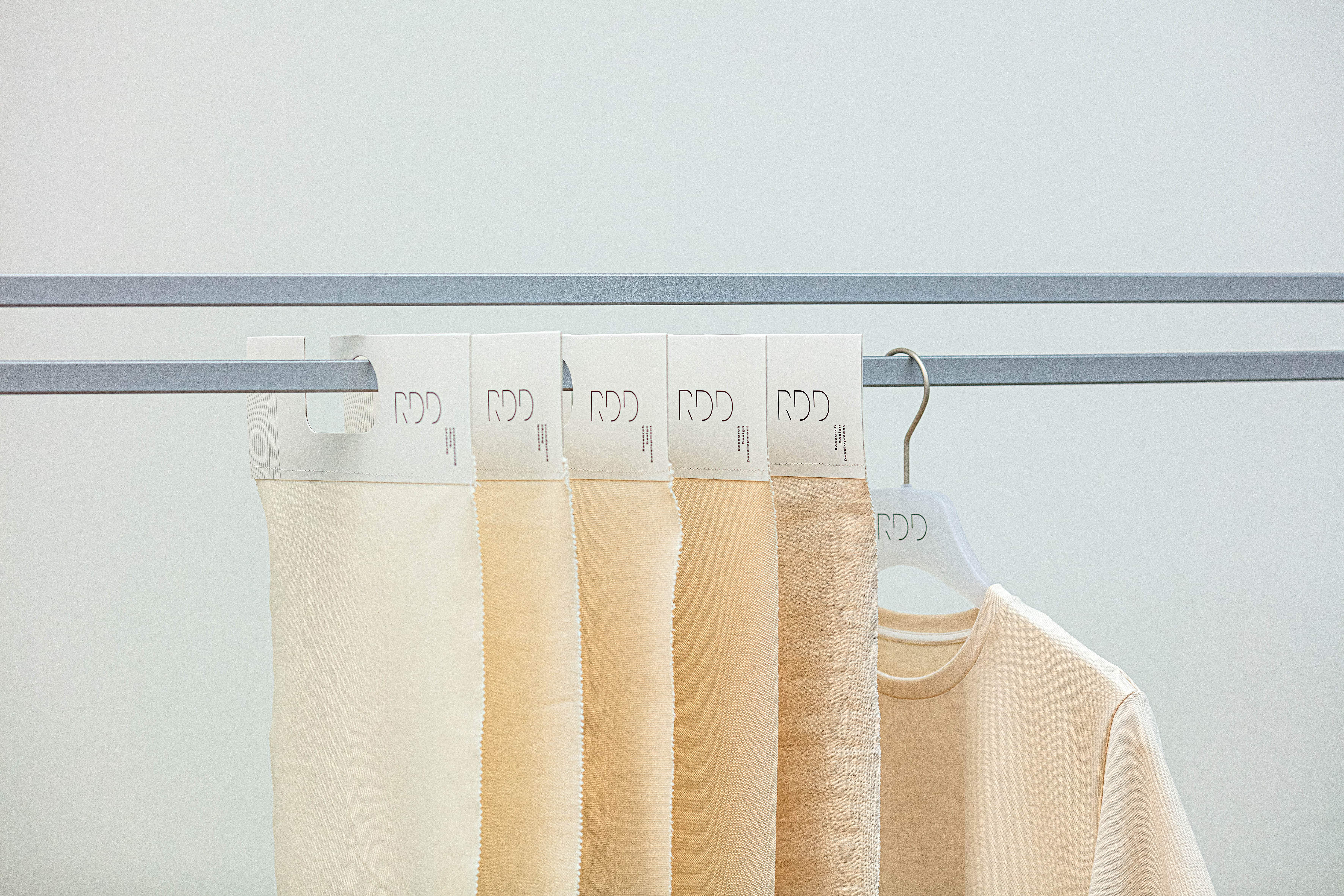
Colorifix® is a unique dyeing approach that collects DNA information about nature-derived colours from databases, and then, combining micro and biotechnology, introduces pigment-producing genetic sequences into microorganisms, making them capable of effectively producing colour pigment that can be fixated onto textiles.
piece dye // garment dye
piece dye // garment dye
KBCOLS
KBCols is a natural dyeing technology that produces colours through the exploration of safe, naturally occurring microbiomes. These powdered dyes, free from harmful chemicals and non-toxic to aquatic life, are naturally produced by microorganisms, and then upscaled by fermentation to produce dyestuffs, which are later used in the textile dyeing process.
piece dye // garment dye
piece dye // garment dye
ALGAEING™
Algadye™ by Algaeing™ is an eco-friendly and innovative algae-based dyeing solution completely free of toxins.
With this solution, we have the power to create a substantial and sustainable impact on a large scale, replacing toxins and chemicals with algae-derived dyes that are completely biodegradable, protecting biodiversity, and avoiding pollution of waterways.
piece dye // garment dye
With this solution, we have the power to create a substantial and sustainable impact on a large scale, replacing toxins and chemicals with algae-derived dyes that are completely biodegradable, protecting biodiversity, and avoiding pollution of waterways.
piece dye // garment dye
LIVING INK™
Living Ink Algae Black Pigment™ is a carbon-negative, renewable, and safe alternative to petroleum-based carbon black pigment.
This black algae pigment results from algae by-product material transformed into small black pigments, as carbon black.
garment dye // print
This black algae pigment results from algae by-product material transformed into small black pigments, as carbon black.
garment dye // print
MID.TONE
EarthColors® by Archroma is a revolutionary technology that synthesizes dyes 100% from non-edible agricultural or herbal industries waste, like leaves and nutshells.
These fully traceable biosynthetic dyes cover a palette of high-performance natural shades for cellulosic-based fibres and reduce the negative impact on water footprint, natural resource usage, and climate compared to conventional synthetic dyes.
garment dye
These fully traceable biosynthetic dyes cover a palette of high-performance natural shades for cellulosic-based fibres and reduce the negative impact on water footprint, natural resource usage, and climate compared to conventional synthetic dyes.
garment dye
MINERAL DYE
Dr. Petry’s groundbreaking inorganic natural pigments hold excellent chemical and thermal stability and lower toxicity to humans and the environment. With origins tracing back to the Renaissance, these pigments are derived from natural minerals in the Earth, made with more than 95% natural salts, based on inorganic substances.
garment dye
garment dye
RECYCROM™
Recycrom™ is an innovative dyeing technology made entirely from 100% recycled materials. Developed by Italian textile company Officina+39, it transforms fibrous textile waste into high-quality pigments through a mechanical process, without the use of harmful chemicals.
Recycrom™ offers a curated catalog of colors but also enables custom color development using a brand’s own textile waste, creating a circular and personalized dyeing solution.
garment dye // print
Recycrom™ offers a curated catalog of colors but also enables custom color development using a brand’s own textile waste, creating a circular and personalized dyeing solution.
garment dye // print
SMART PROCESSES
MLSE®
Multiplexed Laser Surface Enhancement
No water or chemicals
Strengthens fibers & enchances dyeability
Zero waste process
MLSE®
MLSE® by MTIX is a multiplexed laser surface enhancement technology that modifies the surfaces of fibers within a fabric, replacing the wet pre-treatment process.
This treatment results in stronger, cleaner fibers with restored integrity and uniformity, without the use of any water or chemicals or the creation of waste, increasing the dyeability of the fabric.
This treatment results in stronger, cleaner fibers with restored integrity and uniformity, without the use of any water or chemicals or the creation of waste, increasing the dyeability of the fabric.
FIBRE52™
Advanced Cotton Treatment
Saves water & energy
Low temp, eco-friendly process
Retains cotton’s natural softness
FIBRE52™
Fibre52™ is a breakthrough technology that transforms the way cotton-rich fabrics are prepared. Fibre52 wet pre-treatment technology enables significant savings in water, energy, and time, without compromising fabric quality or dye performance. Compatible with existing machinery, this low-temperature, low-impact biochemistry method retains cotton’s natural softness, breathability, and durability.
MLSE®
MLSE® by MTIX is a multiplexed laser surface enhancement technology that modifies the surfaces of fibers within a fabric, replacing the wet pre-treatment process.
This treatment results in stronger, cleaner fibers with restored integrity and uniformity, without the use of any water or chemicals or the creation of waste, increasing the dyeability of the fabric.
This treatment results in stronger, cleaner fibers with restored integrity and uniformity, without the use of any water or chemicals or the creation of waste, increasing the dyeability of the fabric.
FIBRE52™
Fibre52™ is a breakthrough technology that transforms the way cotton-rich fabrics are prepared. Fibre52 wet pre-treatment technology enables significant savings in water, energy, and time, without compromising fabric quality or dye performance. Compatible with existing machinery, this low-temperature, low-impact biochemistry method retains cotton’s natural softness, breathability, and durability.
MLSE®
MLSE® by MTIX is a multiplexed laser surface enhancement technology that modifies the surfaces of fibers within a fabric, replacing the wet pre-treatment process.This treatment results in stronger, cleaner fibers with restored integrity and uniformity, without the use of any water or chemicals or the creation of waste, increasing the dyeability of the fabric.
FIBRE52™
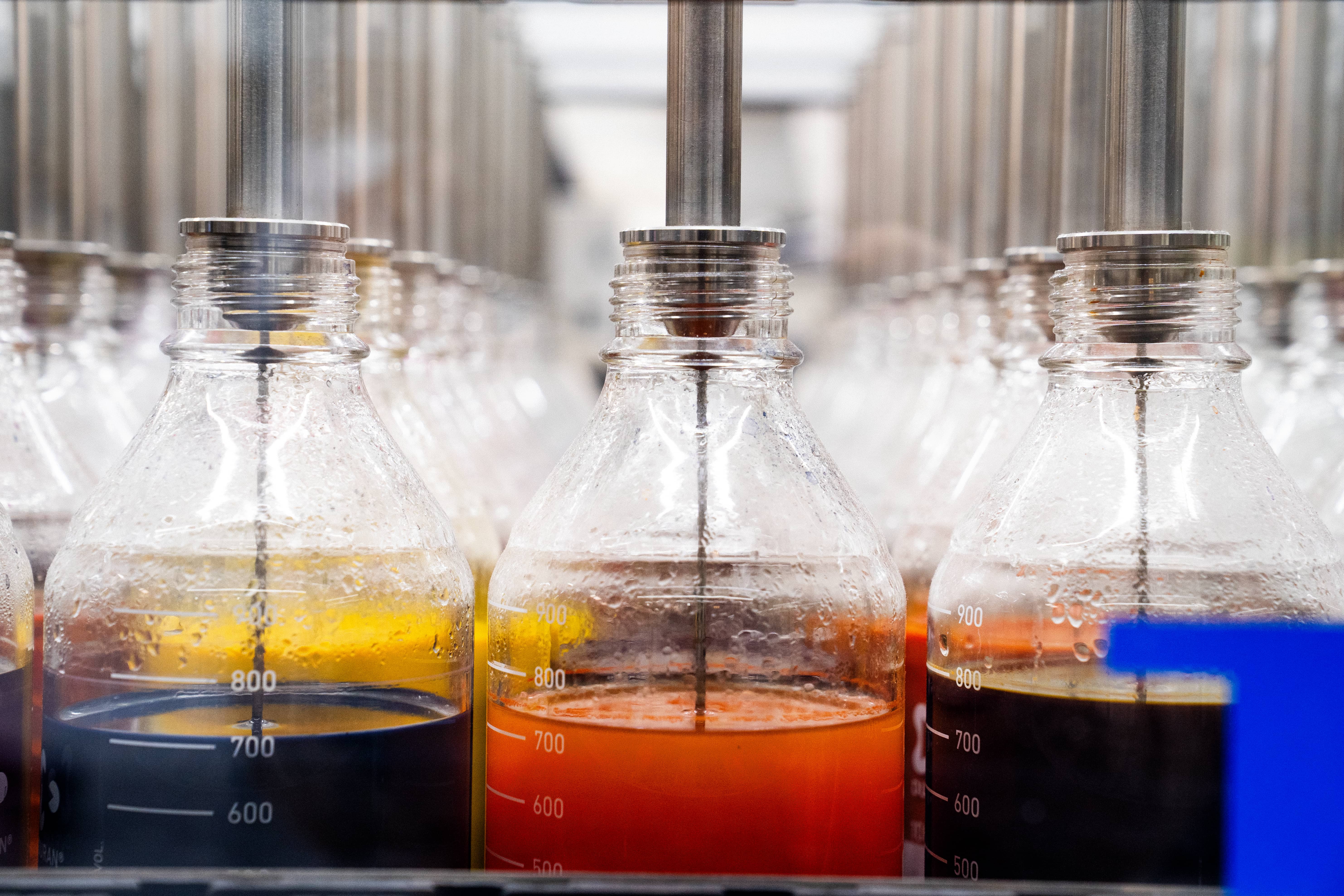
Fibre52™ is a breakthrough technology that transforms the way cotton-rich fabrics are prepared. Fibre52 wet pre-treatment technology enables significant savings in water, energy, and time, without compromising fabric quality or dye performance. Compatible with existing machinery, this low-temperature, low-impact biochemistry method retains cotton’s natural softness, breathability, and durability.
